By Rajender Prasad • September 13, 2025
Dubai’s real estate market continues to thrive in 2025, driven by technological innovation, favorable policies, and investor-friendly regulations. Known for its tax-free ownership, flexible payment options, and government reforms, Dubai remains one of the most attractive global destinations for property buyers and long-term investors.
Strong Market Growth in 2025
The onset of fiscal year 2025 has marked a surge in real estate transactions, exceeding expectations with more than 16,000 deals valued at over $16.65 billion in just the first few months. Investor confidence is at an all-time high, with both local and international buyers actively participating.
- Mortgage transactions crossed $7 billion across nearly 9,800 deals.
- Sales deals contributed approximately $9.5 billion with over 9,000 transactions.
- Luxury properties in Palm Jumeirah, Burj Khalifa, Al Barsha, and Jabal Ali dominated high-value deals.
Apartments and villas continue to witness price appreciation, with family-oriented units gaining popularity among buyers. Completed projects sold for around $5 billion, while off-plan sales exceeded $6 billion, showing sustained investor interest in both ready and under-construction properties.
Key Investment Hotspots
The resale market is booming in areas like Wadi Al Safa 4 and Al Barsha South Fourth, while off-plan properties are gaining traction in Dubai South, Business Bay, and Dubai Investment Park.
For luxury buyers, Palm Jumeirah, Downtown Dubai, and Dubai Marina remain the top choices. Meanwhile, rising demand for one-bedroom and studio apartments highlights a shift toward affordable housing options.
With over 7,000 new millionaires expected to settle in Dubai by 2025, an estimated $7 billion in fresh capital is anticipated to flow into the market, strengthening Dubai’s position as a global wealth hub.
Regulatory Framework Enhancing Transparency
Dubai’s property sector is backed by clear regulations that safeguard buyers and investors:
- Loan-to-Value (LTV) Ratios: Up to 80% for UAE nationals and 75% for expatriates (first homes under AED 5 million).
- Debt Burden Ratio: Limited to a maximum of 50% of monthly income.
- Upfront Fees: DLD transfer fees and brokerage fees (around 6–7% of property value) must be paid separately.
Additionally, escrow accounts for off-plan projects ensure that funds are released to developers only upon certified construction progress.
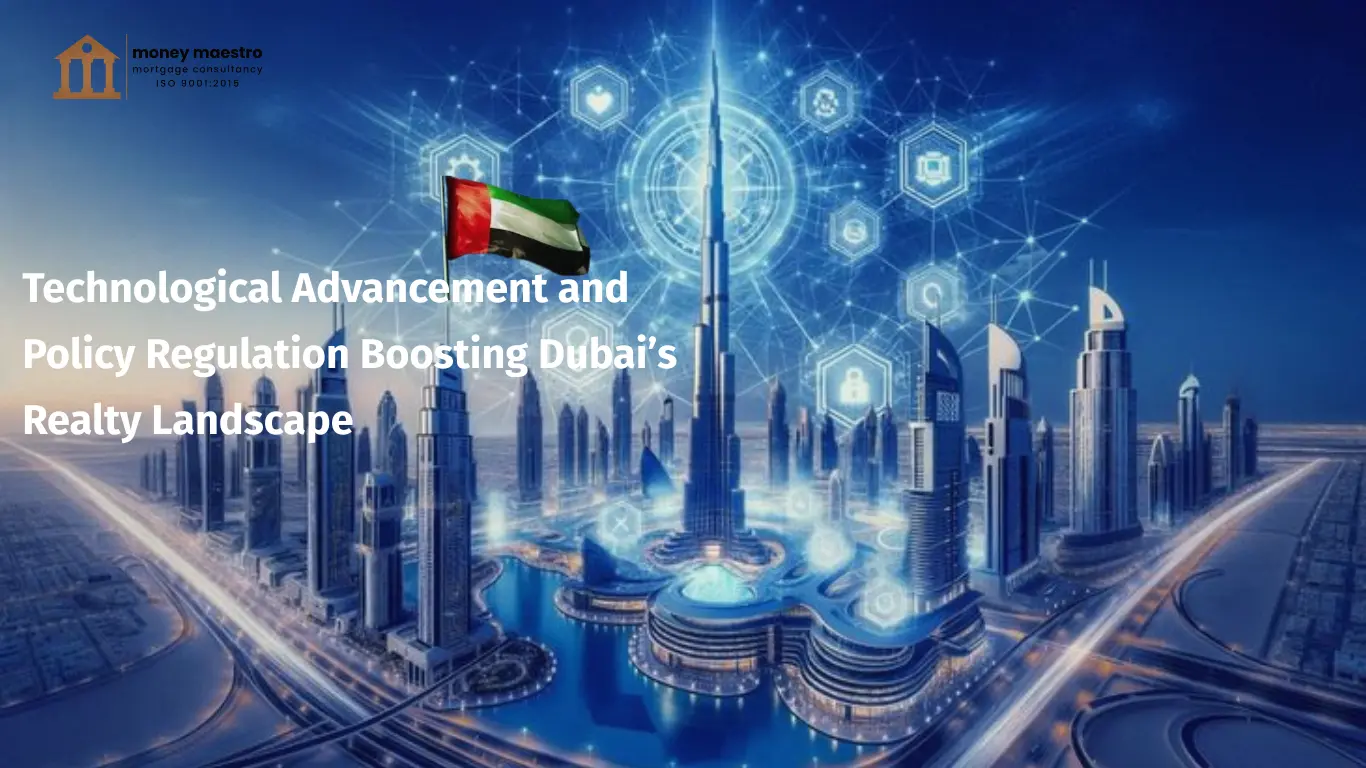
Technological Advancements Reshaping Dubai Real Estate
Innovation is at the heart of Dubai’s property boom. Key initiatives include:
- Tokenization of property sales, making real estate investments more accessible.
- Mandatory QR code system on all real estate ads, introduced by the Dubai Land Department (DLD), enabling instant verification of project permits and broker details.
- Ejari registration for tenants residing in rentals over one month, ensuring accurate demographic data and preventing unauthorized co-living.
- Judicial Committee support for liquidation of canceled projects, providing transparency and investor protection.
Outlook: A Secure and Promising Future
Dubai’s real estate sector in 2025 reflects strong resilience, liquidity, and investor confidence, powered by government reforms and technology-driven transparency. With its blend of luxury, affordability, and secure investments, Dubai continues to stand as a global real estate hub offering long-term value and stability.